Let's talk about Trichotillomania !!!
Trichotillomania & Your Brows: What You Should Know
Brows are such a big part of our face, and when we start losing brow hair, it can really affect how we feel about ourselves. There are many different reasons someone may experience thinning or missing eyebrows, but one that isn't talked about nearly enough is trichotillomania.
Over the years as a brow artist, I've learned that there is so much more behind someone's brows than simply wanting a different shape or fuller appearance. Sometimes there is a story behind the hair loss, and I think it's important that we talk about these things openly and without judgment.
What is trichotillomania?
Trichotillomania, sometimes called hair-pulling disorder or "trich," is a mental health condition that causes a recurring urge to pull out your own hair. It can involve the hair on the scalp, eyelashes, eyebrows or other areas of the body. Some people are very aware when they're pulling, while others may do it almost automatically, especially during certain activities or emotional situations.
It is important to understand that trichotillomania isn't simply a "bad habit" that someone can easily decide to stop.
Hair pulling may be connected to feelings such as stress, anxiety, tension, boredom or frustration, and some people describe feeling relief after pulling.
And unfortunately, there can still be a lot of embarrassment surrounding it.
Someone experiencing trichotillomania may spend years pencilling in their eyebrows, wearing makeup to disguise missing areas or worrying that someone will notice their hair loss. The condition can affect confidence and self-esteem, which is why I think approaching these clients with compassion is so important.
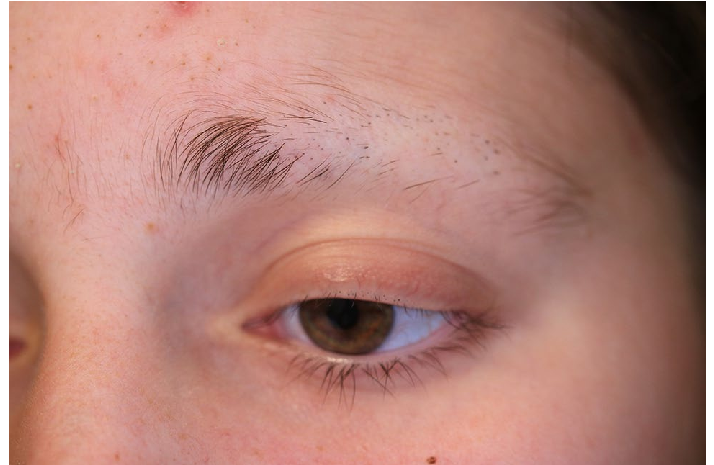
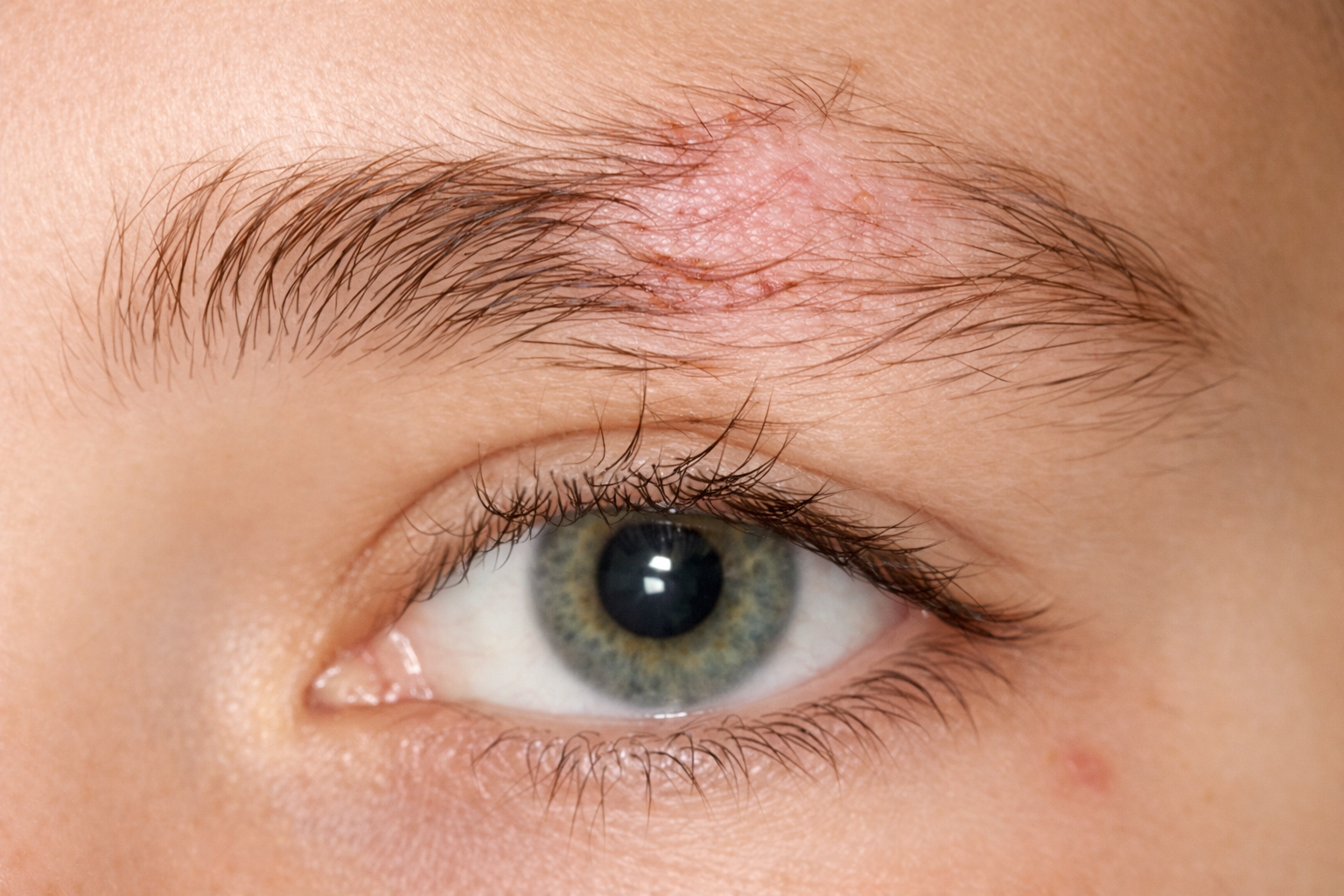
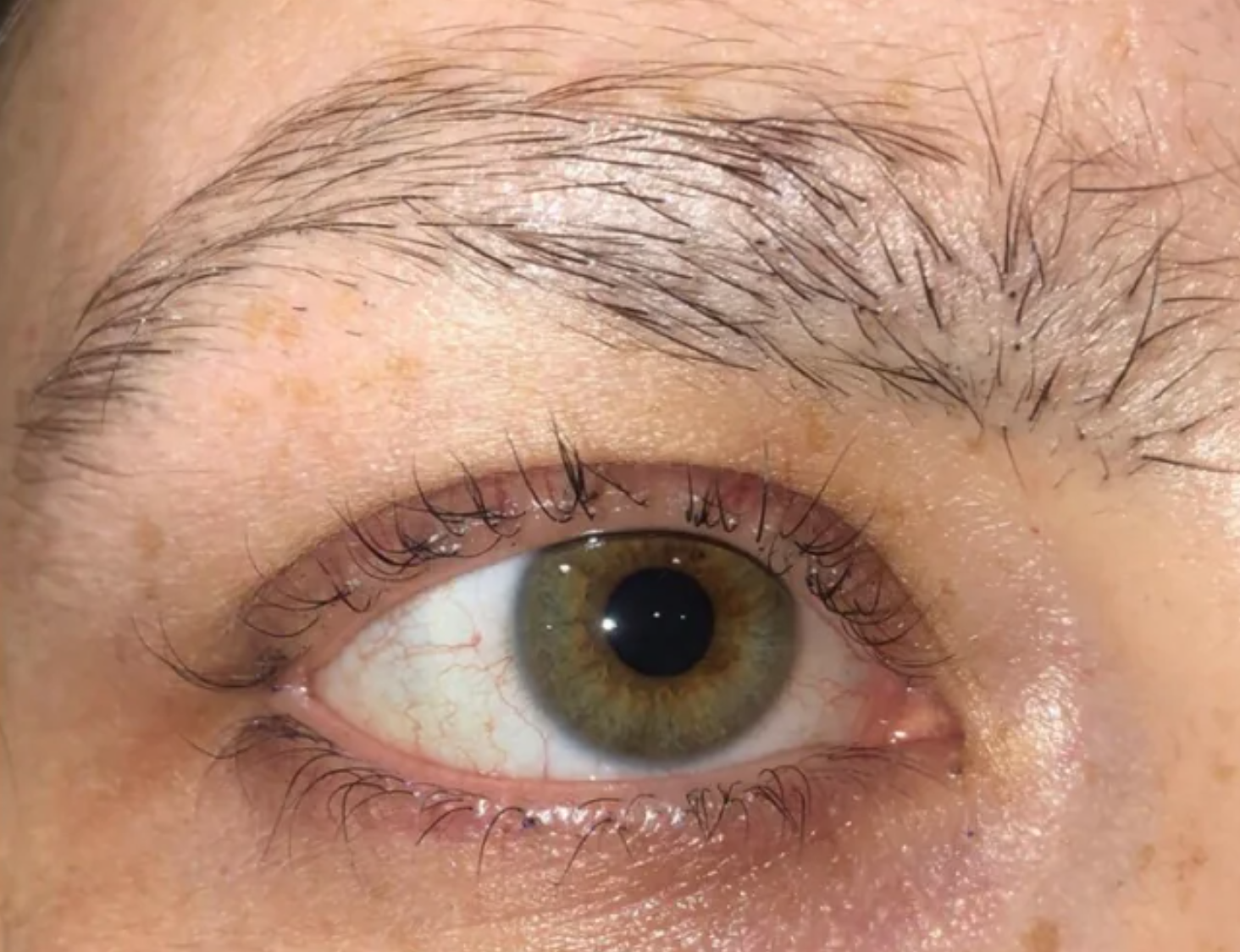
What happens to the eyebrows?
Repeatedly pulling eyebrow hairs can eventually create areas that look sparse, uneven or completely hairless. Or sometimes even scare the skin, if the person picks too deep.
One of the most common questions is:
Will my eyebrows grow back?
In many cases, they can, the hair may regrow as long as the hair follicle hasn't been permanently damaged. However, repeated pulling over a long period of time can sometimes cause damage or scarring that affects future hair growth.
This is why every person's situation is different.
Some clients may still have quite a bit of natural brow hair with small areas missing, while others may have very little hair remaining at all.
Can permanent makeup help?
This is where permanent makeup can be such a beautiful option.
Permanent makeup doesn't treat trichotillomania or take away the urge to pull, but it can help recreate the appearance of eyebrows when natural brow hair is sparse or missing.
Rather than waking up every morning and trying to recreate your brows with a pencil, permanent makeup can provide a consistent shape and definition that stays in place throughout your day.
Depending on the client's natural hair, skin and desired result, techniques such as nano brows, soft powder brows or a combination of hairstrokes and shading can be used to create a very natural-looking eyebrow.
For someone who still has some brow hair, I love creating a result that blends into what is naturally there rather than making the brow look heavy or overly tattooed.
And for someone who has very little brow hair remaining, proper brow mapping becomes incredibly important. We are essentially recreating the brow from the ground up — considering facial structure, bone structure, natural brow placement and overall balance.
The goal should always be for someone to look at you and see beautiful brows — not a brow tattoo.
There is no reason to feel embarrassed
This is probably the most important thing I want anyone reading this to know.
If you have trichotillomania, you never need to feel embarrassed walking into a brow appointment.
A professional artist should make you feel comfortable, understood and completely supported. There should never be judgment surrounding why your eyebrow hair is missing.
If there is active irritation, broken skin, sores or significant inflammation around the brow area, I would always want that skin to be completely healthy before considering any permanent makeup procedure. And if you're unsure about the cause of your eyebrow loss, speaking with your doctor or dermatologist is always a good place to start.
Trichotillomania itself can also be treated. Cognitive behavioural therapy, particularly an approach called habit reversal training, is commonly used to help people recognize triggers and develop alternative responses to the urge to pull.
Permanent makeup can address the cosmetic side of eyebrow hair loss, while the underlying trichotillomania deserves its own care and support.
Brows can be about so much more than beauty
This is something I've come to appreciate more and more as a brow artist.
Sometimes doing someone's brows isn't simply about giving them a nicer shape.
It's about helping someone feel comfortable leaving the house without pencilling their brows in first. It's about swimming without worrying about makeup coming off. It's about looking in the mirror and seeing brows again.
And for someone who has spent years trying to hide their eyebrow hair loss, that can mean a lot.
If you're experiencing eyebrow loss from trichotillomania and you're wondering whether permanent makeup could be an option for you, you're always welcome to reach out or send me photos of your brows. From there, I can recommend the technique that I feel would give you the softest and most natural-looking result.
Your brows should feel like you ! Just with a little less work every morning.
This blog is intended for general education and is not a substitute for medical or mental-health advice. If you are experiencing persistent hair pulling or unexplained hair loss, speak with a qualified healthcare professional.